
In the grand scheme of existence, our senses define our reality. Touch, sight, sound, taste, and smell—these five senses are the lenses through which we interpret the universe. They shape every experience, allowing us to move through the world, connect with others, and make sense of what surrounds us. But what if there’s more to reality than what our senses allow us to perceive? What if, by nature of our three-dimensional existence, we are only scratching the surface of a far richer, more intricate reality?
Imagine, for a moment, a two-dimensional being—a “flatlander”—confined to a plane of existence with only length and width. In this world, the concept of depth is inconceivable. Shadows, perspective, even the simple idea of “up” and “down” would be foreign. To the flatlander, what we perceive as the fullness of reality would be unimaginable, simply because they lack the spatial awareness to experience it.
Could it be that we, too, are flatlanders of sorts, confined by our senses and our three-dimensional understanding? Just as depth is invisible to a 2D being, perhaps aspects of a higher-dimensional world are invisible to us. If we could perceive a fourth or fifth dimension, what would it reveal about our universe? Would it open new realms of experience, granting us “senses” we currently can’t even imagine?
In this exploration, we’ll dive into the possibility of senses beyond the ones we know—senses that might emerge if we were higher-dimensional beings, or if our consciousness expanded to perceive more than our three-dimensional slice of reality. By imagining new senses, we challenge the very fabric of our understanding, stepping into a realm where perception itself is limitless.
Setting the Stage: Rethinking Dimensions and Perception
To explore the idea of higher-dimensional senses, we first need to rethink what it means to “sense” something. Senses are, in essence, ways of interacting with reality—they’re tools that allow us to detect and respond to different types of information. Sight lets us perceive light, sound lets us interpret vibrations in the air, and so on. Each sense connects us to an aspect of the physical world, giving us a more complete understanding of our surroundings.
But while our senses feel comprehensive, they’re also limited. Take sound, for example: it relies on air or another medium to travel, which means it’s tied to the presence of mass. In a 2D world with no mass, sound would be irrelevant, as there would be no particles to vibrate and carry sound waves. Similarly, if we lived in a higher-dimensional world, perhaps some of our senses would become obsolete, replaced by entirely new ways of perceiving.
Our five senses are highly attuned to a three-dimensional world, but they’re also narrow slices of a broader spectrum of information. Visible light, for instance, is only a tiny part of the electromagnetic spectrum. If our eyes were sensitive to radio waves or gamma rays, the world would look dramatically different.
This brings us to a thought-provoking question: If we could access higher dimensions, what new senses might we develop? How might we interact with time, space, and even each other in ways that are currently beyond our comprehension? The next section delves into speculative ideas of what these higher-dimensional senses could be—senses that open doors to experiences and realms of knowledge that are currently hidden from us.

Imagining New Senses: Hyper-Sense of Space-Time
In our current three-dimensional experience, time is something we sense indirectly. We measure it through movement, change, and memory, but we can’t directly perceive time itself as a tangible aspect of reality. We’re bound to experience it linearly, as a series of moments unfolding one after the other, like frames in a film. But what if time wasn’t something that slipped away from us, moment by moment? What if we could perceive time as we perceive depth—simultaneously, in all directions?
In a higher-dimensional existence, time might be less of a straight line and more of a malleable, multi-dimensional space. Imagine having a “hyper-sense” of space-time, where you could look forward and backward along the timeline, much like glancing left or right. Past, present, and future would become part of a unified landscape, where each moment is as accessible as the room you’re standing in.
Experiencing Time as Space
For a being with this hyper-sense, memories wouldn’t be recollections; they’d be places to revisit. A past experience would be more than a vague mental image—it would be a fully accessible state, as vivid as stepping back into a room you left only minutes ago. Imagine being able to walk through your past, seeing events from every possible angle, witnessing how each choice and interaction fits into the larger tapestry of your life.
The future, too, would unfold not as an unknown destination but as a series of potential paths, branching off in all directions. A higher-dimensional being might perceive these potential futures as “roads” that diverge and converge, each one representing a different outcome based on the choices that could be made. For such a being, time wouldn’t be an irreversible flow but a navigable dimension—an ocean with currents that they could feel and explore.
Implications of a Hyper-Sense of Space-Time
What would it mean to live with this sense? For one, concepts like anticipation, regret, or nostalgia would lose their meaning. In our 3D experience, we often look back with longing or forward with anxiety, but a being with this hyper-sense of time would simply step into those moments, experiencing them as easily as we experience the present. Regret would vanish because the past would never be truly gone, while fear of the future might dissolve as well, with every potential outcome visible and accessible.
This also raises fascinating ethical questions. If a being could see all possible futures, would they be morally bound to choose the “best” one? Or would the very concept of “choice” itself become irrelevant, as all outcomes coexist and are fully known? This sense would fundamentally alter one’s relationship with time, agency, and responsibility.
Human Longing for a Hyper-Sense of Time
Interestingly, humans seem to yearn for this kind of access to time. We try to relive the past through memory, photography, and storytelling. We attempt to predict the future through planning, forecasting, and sometimes superstition. These are, in a way, efforts to expand our limited perception of time—to gain a glimpse of what a hyper-sense might offer. Yet, perhaps our limited view of time is what gives it value. Our fleeting moments compel us to appreciate them deeply, knowing they can’t be revisited in full.
In a higher-dimensional world, however, the very nature of time would transform. For a being with a hyper-sense of space-time, life might feel like an intricate tapestry rather than a journey from one point to another. The beauty of each moment would lie not in its transience but in its interconnectedness with every other moment.
Imagining New Senses: Awareness of Higher Geometries (“Tetrasense”)
In our three-dimensional world, we’re intimately familiar with the shapes and forms that surround us. We can navigate spaces, measure volumes, and visualize solid objects in our minds. But what if there were shapes and structures beyond the three-dimensional forms we know—complex geometries that we could neither see nor comprehend with our limited perspective? Enter the concept of the Tetrasense: a sense that enables perception of higher-dimensional geometries.
In a higher-dimensional existence, the idea of shape would become richer and more complex. While we can observe 2D shapes as “shadows” in our 3D world (like a square or circle on a flat surface), higher-dimensional beings might perceive 3D objects as projections or slices of more intricate 4D or 5D shapes. For example, what we call a “cube” could be just a three-dimensional shadow of a much larger, more complex four-dimensional hypercube.
Experiencing Higher-Dimensional Shapes
To understand what it might be like to have the Tetrasense, consider how we perceive a two-dimensional shape like a square. We see it in its entirety, with an awareness of each side and corner. Now, imagine being able to view a 3D cube in the same way—seeing not only its outer surfaces but also its entire inner structure and every hidden angle all at once.
A being with the Tetrasense could do something similar with four-dimensional objects. They wouldn’t just see the exterior of a 3D object; they’d perceive it as part of a larger, multidimensional form. Each 3D object would be a “slice” of something much grander. This sense would allow them to see every possible angle, layer, and even the internal composition of an object simultaneously, as though gazing through its entire structure.
To them, navigating our world would be akin to us moving through a space full of flattened, two-dimensional images. Every solid, “real” thing we experience might look insubstantial and thin—merely a part of a broader whole that they could view effortlessly. What we consider to be complex, three-dimensional forms would feel simple and limited.
Implications of the Tetrasense
A being with this sense could navigate our world in ways that defy our understanding of physics and space. Imagine being able to reach into a locked box without opening it, or to view every side of a mountain simultaneously. For a Tetrasense-enabled being, structures that we perceive as “solid” would be nothing more than layers of intersecting planes. Barriers would be meaningless because these beings could perceive and move through objects as easily as we pass through air.
This sense would also allow them to “see” and perhaps interact with things we consider invisible. For example, if they could perceive higher-dimensional shapes, they might naturally comprehend complex systems like electromagnetic fields or gravitational forces as visible forms rather than abstract concepts. A magnetic field could look like a tangible structure wrapping around a magnet, and gravitational pull might appear as a geometric funnel around massive objects.
Human Fascination with Higher Dimensions
Humans have long been intrigued by the idea of higher dimensions, even if we can’t fully comprehend them. Mathematicians and physicists have modeled and visualized higher-dimensional shapes, like the tesseract (a 4D hypercube) and other polytopes, but we can only see these shapes as projections or shadows in our 3D world.
The fascination with these shapes is, in part, a longing to break free of our spatial limitations—to experience a reality that is larger and more complex than what we can grasp. Through art, mathematics, and imagination, we attempt to peek into these dimensions, yet we remain fundamentally bound by our three-dimensional perspective.
Reflections on Living with the Tetrasense
What would it mean to live with this kind of expanded spatial awareness? For one, it would fundamentally change how we understand existence itself. Solitude, separation, and privacy might lose their meaning, as every aspect of an object, a space, or even another being would be fully visible and interconnected.
A being with the Tetrasense might experience reality as a vast, interlocking web of shapes and patterns, all interwoven into a grand, multi-dimensional tapestry. The idea of “inside” and “outside” would blur, as they could see and experience both simultaneously. In this existence, concepts of hiddenness and mystery would vanish, replaced by a profound, almost overwhelming understanding of spatial interconnections.
For us, the Tetrasense is an impossible dream, a tantalizing glimpse into dimensions we can theorize about but not truly see. It reminds us that our reality is only one perspective among countless others, and that beyond our limited view might lie realms of beauty and structure beyond anything we can imagine.
Imagining New Senses: Energy Perception (“Energosense”)
In our current three-dimensional reality, our senses capture only a narrow slice of the energy spectrum around us. We see visible light, hear sound waves, and feel heat, but these are only fragments of the vast array of energies constantly flowing through our environment. What if we could perceive more? Imagine a sense that allows us to experience all forms of energy—not just as abstractions or tools we measure with technology, but as tangible aspects of reality that we could see, feel, and understand intuitively.
The Energosense would allow a being to directly perceive and interpret various forms of energy. Radio waves, gamma rays, magnetic fields, and even gravitational forces would be as accessible as light and sound are to us. This being could see radio waves bouncing off surfaces, feel gravitational pull as a physical force, and perhaps even interpret subatomic particle interactions as a kind of “vibration” or resonance within their body. Energosense would provide a full-spectrum view of the world, unveiling hidden layers of reality that are currently invisible to us.
Experiencing Energy as a Tangible Reality
Imagine standing in a room and being able to “see” Wi-Fi signals streaming through the air, flowing around obstacles like water around rocks. These signals, which we currently access only through devices, would have color, shape, and even texture, forming a part of the visible reality. Similarly, electromagnetic fields generated by electronic devices would appear as luminous halos or streams, weaving patterns around every appliance. The energy itself would become part of the visual and tactile landscape.
This Energosense would also extend to more intense forms of radiation and energy. Gamma rays, for example, might be perceived as a brilliant, almost blinding light, warning the being of areas with harmful radiation. Gravitational forces would feel like gentle tugs in space, revealing the contours of massive objects nearby. It would be akin to feeling the “weight” of gravity itself, not just experiencing it passively.
For a being with Energosense, space would be a vibrant, ever-shifting tapestry of energy interactions. This sense would turn abstract concepts like “frequency” and “wavelength” into tangible experiences, transforming the invisible into something concrete and perceptible. The world would no longer be a quiet, empty vacuum filled with scattered objects but a symphony of waves, pulses, and forces, all interconnected and interacting in real-time.
Implications of Energosense
The implications of possessing such a sense are profound. A being with Energosense would interact with their surroundings in fundamentally different ways. Traditional senses like sight and touch would become secondary; Energosense would reveal far more information than mere color or texture. For instance, identifying objects or people could be done by “reading” their unique electromagnetic signatures, much like how we recognize a person’s face or voice. Privacy, as we know it, would become obsolete, as every aspect of one’s physical presence emits a unique energy footprint.
Energosense could also alter navigation. Rather than using landmarks, such a being could navigate by following gravitational fields or the paths of electromagnetic currents. They might “see” strong magnetic poles like we see mountains, using them to orient themselves. If they needed to avoid an area with high radiation, they could sense the dangerous energy long before entering its range, experiencing it as a glowing or vibrating sensation in the air.
In a world of Energosense, emotions, too, might take on new meanings. Human emotions are linked to bioelectrical activity in the brain and body. Perhaps beings with Energosense could “feel” the energetic signatures of emotions in others, recognizing joy, fear, or anger as distinct patterns of bioelectric energy. This would add a whole new layer to empathy and social interaction, allowing for a level of emotional transparency and connection that we can only imagine.
Human Fascination with Perceiving the Invisible
Humans have always been intrigued by forces we can’t see. Scientific tools like microscopes, telescopes, and radiation detectors were invented out of a desire to perceive what lies beyond our natural senses. And yet, while these tools reveal hidden aspects of reality, they are still separate from our own perception. We “know” about electromagnetic fields and radiation, but we don’t experience them directly.
With Energosense, the divide between observation and experience would dissolve. Instead of relying on instruments to detect invisible forces, we would feel them firsthand, bridging the gap between science and personal perception. Our fascination with understanding the invisible reflects a yearning to expand our sensory boundaries—a recognition that there is more to reality than what we currently perceive.
Reflections on Living with Energosense
What would life be like with this heightened awareness? It would be a constant, intricate dance with energy, where every interaction—whether physical, social, or environmental—left an energetic impression. This sense would turn daily life into a vivid display of forces and fields, providing a completely new understanding of the material world.
However, Energosense could be overwhelming. Imagine the constant hum of Wi-Fi, the background glow of radiation, and the pull of gravitational fields surrounding you at all times. A being with this sense might need to develop a way to “tune out” or filter the energy around them, choosing which frequencies to focus on and which to ignore, much like we tune out background noise.
For humans, Energosense remains a tantalizing fantasy. But it reminds us that there is more to our world than we can perceive. Every space, every object, and every person radiates energy, existing in a complex network of forces that extend far beyond our sensory limitations. The idea of Energosense offers a glimpse into a fuller, richer reality—a reality that we touch only faintly with our current senses.
Imagining New Senses: Emotional Resonance (“Empatheia”)
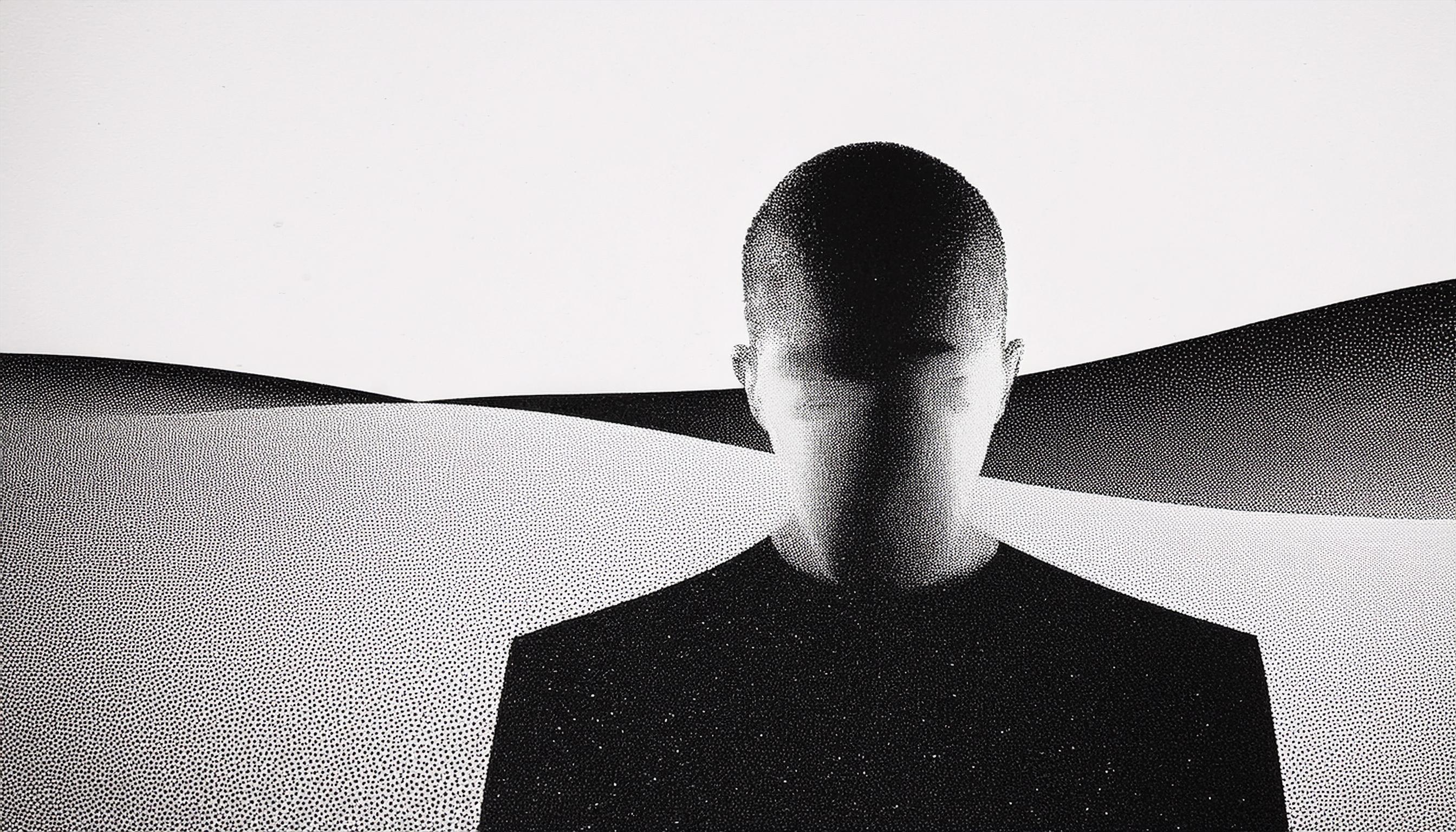
Emotions are a fundamental part of human experience, yet they’re often intangible, hidden within our minds and bodies. We express emotions through facial expressions, body language, and tone of voice, but these are merely external signals of internal states. What if we could perceive emotions as directly as we perceive light, sound, or touch? Imagine a sense that allows you to “see” emotions around you, to feel the energy of happiness, sadness, anger, or love as a physical sensation—a wave of color, a hum in the air, or a warm or cool current.
The Empatheia sense would be just that: an innate ability to sense the emotional states of others as though they were physical phenomena. This sense would transform the subtle, often misunderstood realm of human emotion into something visible, tactile, and universally perceptible.
Experiencing Emotions as Tangible Phenomena
Imagine walking into a room and instantly “feeling” the mood. Joy might radiate as a gentle warmth or a bright, golden light that fills the space. Sadness could be felt as a weight, like a cool mist settling over your skin. Anger might vibrate as a sharp, red pulse, creating tension in the air. For a being with Empatheia, emotions wouldn’t be invisible, private experiences—they would become part of the environment, woven into the fabric of physical reality.
This sense would go beyond mere empathy. Where empathy allows us to understand and relate to another’s feelings, Empatheia would make emotions as immediate and perceptible as the weather. The being would feel the sorrow, joy, or excitement of others, not through interpretation but through direct experience. In this reality, emotions would take on a physical presence, resonating like sound waves or electric currents that fill the air around us.
Imagine how this sense would change our interactions. Meeting someone joyful would feel like stepping into sunshine; their happiness would wash over you as a tangible warmth. Encountering someone in distress would feel like a cold wind or a heavy fog, evoking an immediate sense of sympathy. The boundary between self and others would blur, as the lines between your emotions and those of others merge into a shared sensory space.

Implications of Empatheia
A being with Empatheia would experience social interactions in a profoundly different way. Emotions would no longer be hidden or repressed; they would be visible and ever-present. Lies, pretense, or emotional manipulation would be nearly impossible, as every feeling would emit a distinct “frequency” or color, betraying any attempt to mask it. This level of transparency would lead to an unprecedented level of honesty, but it could also be overwhelming.
Imagine the challenge of walking through a crowded space, each person radiating a different emotional energy. An Empatheia-enabled being would be surrounded by waves of joy, sorrow, frustration, and love—all competing for their attention. They might need to develop ways to filter or focus on certain emotions, much like we tune out background noise in a busy street. Without this filtering, the constant sensory influx could become overpowering, creating emotional fatigue.
Empatheia would also redefine relationships. Romantic bonds, friendships, and family ties would take on a new depth, as each connection would carry its own unique emotional “signature.” Two people in love might radiate a shared warmth, an aura of affection that could be felt by anyone nearby. Disputes would no longer be clouded by misunderstandings, as each person’s feelings would be as clear as their words. This sense would create a world where emotions are openly shared and mutually experienced.
Human Longing for Emotional Resonance
Humans already seek ways to connect emotionally, whether through conversation, art, music, or touch. We crave understanding and connection, yet often feel isolated within our own minds. The concept of Empatheia taps into a deep desire for transparency and unity—a longing to bridge the gap between individuals and experience each other’s feelings as naturally as we experience light or sound.
Our cultural fascination with empathy reflects this yearning. We value empathy as a virtue because it allows us to reach beyond our own experience and understand another’s reality. Yet, empathy is limited. We can only imagine what others feel, based on the expressions and signals they provide. With Empatheia, there would be no need for interpretation or guesswork; emotions would become part of the physical environment, accessible to everyone.
Reflections on Living with Empatheia
What would life be like with this heightened emotional awareness? The world would feel richer, yet perhaps more intense. The beauty of shared joy and the comfort of mutual sorrow would bring people closer, creating a sense of interconnectedness that transcends language. At the same time, constant exposure to others’ emotions could be overwhelming, requiring boundaries and self-care practices to maintain emotional balance.
For us, Empatheia remains a tantalizing dream, a sense that speaks to our desire for connection and understanding. In some ways, it mirrors the deeper potential within us—the ability to move beyond individual experiences and embrace the emotions of others as our own. In this imagined sense, we glimpse a world where emotional isolation is dissolved, where humanity exists as a unified, resonant field of feeling.
Imagining New Senses: Connectivity Awareness (“Interdimensional Perception”)
Our reality feels solid and stable, bound by the laws of physics and our understanding of space and time. But what if this world is just one layer among many? Quantum mechanics and theories of the multiverse suggest that there might be countless parallel realities, each with its own version of events, outcomes, and possibilities. We, however, are unable to perceive these other dimensions directly—our senses are bound to this singular, three-dimensional reality.
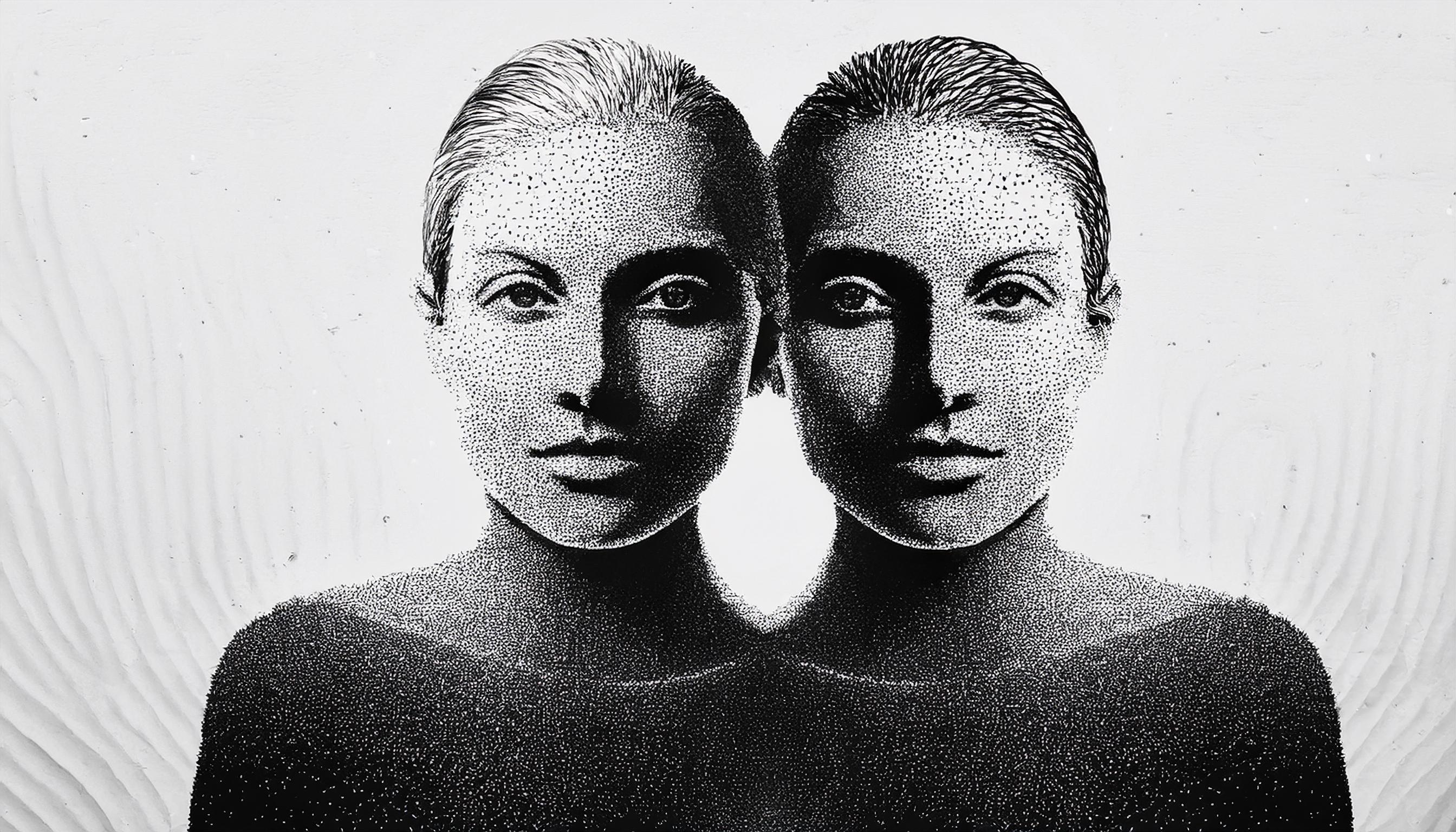
Imagine, then, a sense that allows you to detect the “layers” of existence, sensing the presence of parallel worlds as easily as feeling different textures with your fingertips. This Interdimensional Perception—or Connectivity Awareness—would allow a being to perceive, interact with, and perhaps even navigate through alternative realities and dimensions.
Experiencing the Presence of Other Realities
For a being with Interdimensional Perception, our world wouldn’t feel isolated or singular. Instead, reality would seem like a dense, overlapping tapestry, where multiple layers coexist in the same space but at different “frequencies” or states. Imagine standing in a room and being aware not only of the objects and people in your immediate surroundings, but also of “ghosts” of other possible rooms from parallel dimensions—alternate configurations of that space, each with its own subtle differences.
This sense would reveal a multitude of overlapping worlds, like looking at a stack of transparent images, each one slightly different from the last. The being could see potential versions of each object or person, feeling the shifting possibilities around them. If they moved their hand through space, they might feel the presence of “phantoms” from parallel dimensions, sensing alternative outcomes and configurations of reality that exist alongside their own.
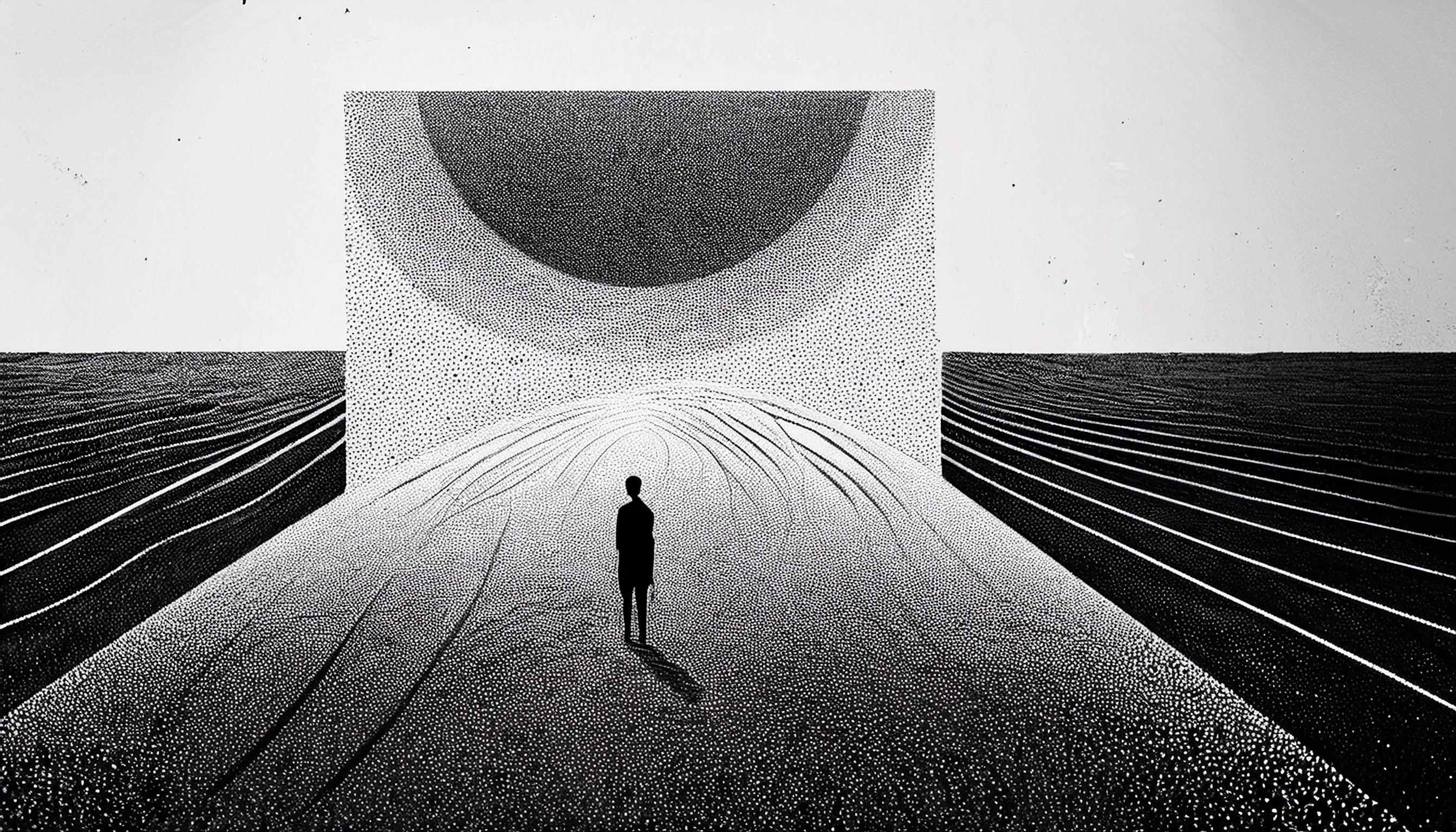
In this existence, movement would feel less like traversing a single, stable path and more like weaving through a dynamic field of choices and consequences. Each step, each action would open new potential realities, and Interdimensional Perception would allow the being to sense these pathways as they unfold, like ripples spreading across a pond.
Implications of Interdimensional Perception
A being with Connectivity Awareness wouldn’t just be aware of other realities—they might also be able to interact with them. Imagine being able to reach into a parallel dimension to retrieve information or insights from a version of yourself who took a different path in life. With this sense, knowledge wouldn’t be limited to one’s own experience; it would be drawn from the cumulative wisdom of countless “selves” across the multiverse.
This sense would fundamentally alter the concept of identity. For us, identity is tied to our singular, continuous experience, but for a being with Interdimensional Perception, identity would be a fluid, multi-faceted thing. They might view themselves not as one isolated individual, but as part of a network of parallel selves, each contributing to a broader, interconnected sense of being.
Decision-making would also transform. Choices wouldn’t carry the same weight if all possible outcomes were simultaneously accessible. Regret and uncertainty might vanish, as the being could “see” the ripple effects of each choice across parallel dimensions and adjust accordingly. Morality, too, might take on a new dimension. Would a being who perceives multiple realities be responsible only for their actions in one world, or would they be morally accountable for the consequences across all dimensions?
Human Fascination with Alternate Realities
Human culture is full of stories about parallel worlds and alternate dimensions, from myths of mirror realms to modern sci-fi explorations of the multiverse. This fascination reflects a deep-seated curiosity: we long to know what might have been, to explore the paths not taken, and to understand the possibilities that lie beyond our reach.
The idea of Interdimensional Perception taps into this longing. While we can only imagine alternate realities, a being with Connectivity Awareness would experience them directly. They would see each “what if” not as a hypothetical question, but as a tangible layer of reality, present and accessible. This sense would grant the ultimate form of perspective, allowing the being to witness the vast web of interconnected choices, outcomes, and possibilities that shape the multiverse.

Reflections on Living with Connectivity Awareness
What would life be like with this ability to perceive multiple dimensions? For one, reality would feel infinitely richer and more expansive. Each moment would carry the weight of countless potential outcomes, like a kaleidoscope of possibilities unfolding with every action. This awareness would bring a profound understanding of consequence, as every choice echoes across dimensions.
However, such awareness could also be overwhelming. Imagine being aware not only of your current experiences, but of every other possible version of yourself. The multitude of “voices” and perspectives might create a sense of fragmentation, a struggle to hold onto a single, stable identity. This being might need to balance between the urge to explore alternate realities and the need to remain grounded in their own dimension.
For us, Interdimensional Perception is beyond reach, but it offers a glimpse into a broader reality where identity, choice, and consequence are deeply interconnected. It reminds us that our perspective is only one among countless others, and that beyond our narrow sense of self lies a vast web of potential that we can only faintly perceive.
Conclusion: Expanding the Boundaries of Perception
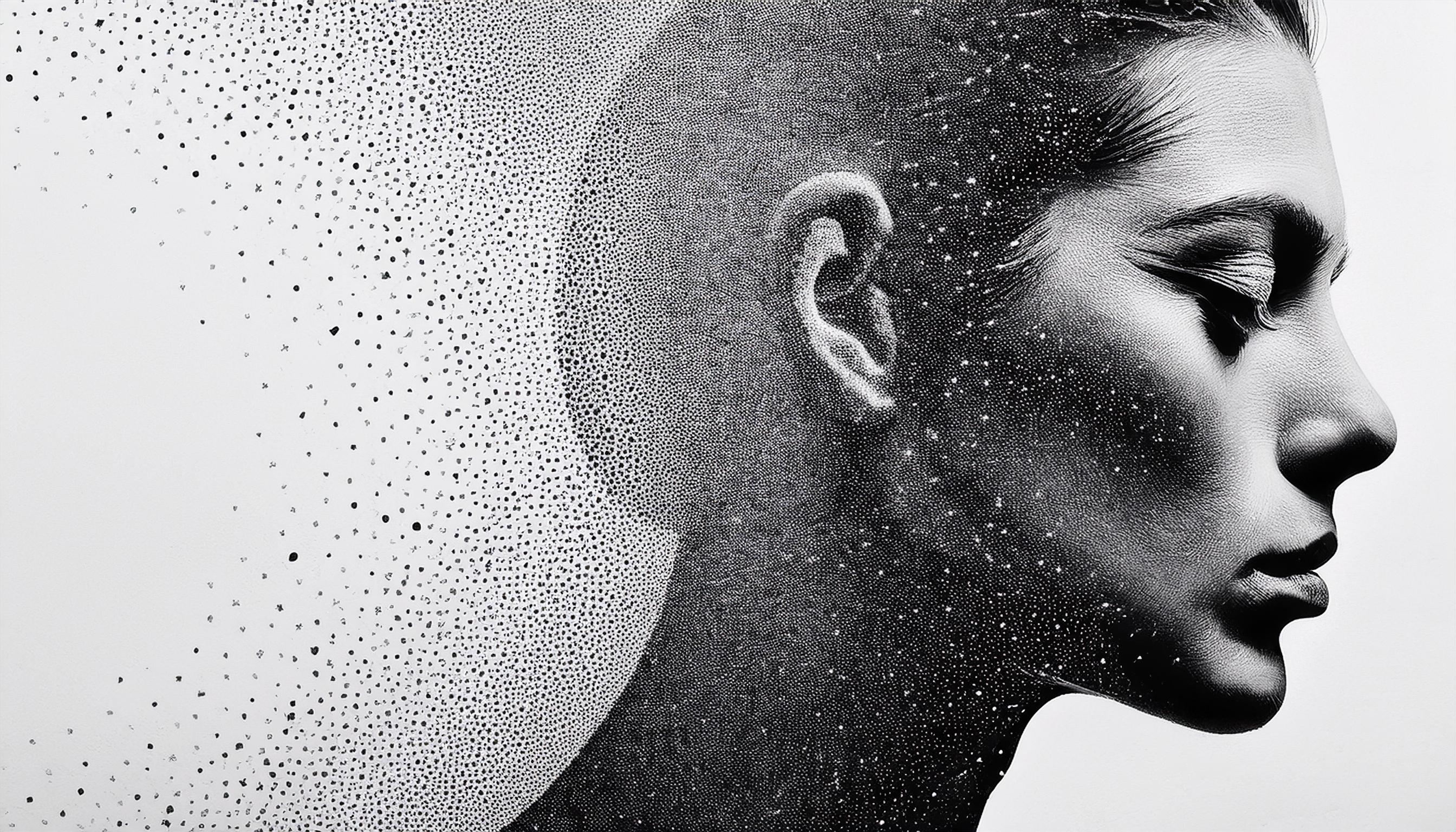
These speculative senses—Hyper-Sense of Space-Time, Awareness of Higher Geometries, Energy Perception, Emotional Resonance, and Connectivity Awareness—invite us to imagine a reality far beyond our current experience. Each sense reveals a new layer of existence, expanding our understanding of what it means to perceive, interact, and connect with the world.
While we may never fully experience these senses, the very act of imagining them stretches our minds and challenges our assumptions. Perhaps the limitations of our five senses are not boundaries, but invitations to explore the possibilities that lie beyond. In contemplating these higher senses, we glimpse the potential within us—the capacity to transcend our narrow view of reality and touch something larger, more interconnected, and profoundly beautiful.





 DISCO E!
Leave a comment